The Past Market Home

Category

Politics & Society

15 articles


Strip the Shelves First, Ask Questions Never: The Ancient Psychology of Panic Buying

Strip the Shelves First, Ask Questions Never: The Ancient Psychology of Panic Buying

When COVID-19 hit in 2020, Americans cleared every roll of toilet paper off every shelf in the country within days. Babylonians did the same thing with grain four thousand years ago. The psychology driving both events is identical — and understanding the ancient version might be our best shot at managing the modern one.

The King Who Canceled Everyone's Debt — And Why It Actually Worked

The King Who Canceled Everyone's Debt — And Why It Actually Worked

Mesopotamian kings didn't cancel debts because they were generous. They canceled them because they'd watched enough economic collapses to know what came next. Five thousand years later, we're still arguing about whether debt forgiveness is even possible — and the historical record has a pretty clear answer.

The Housing Fix That's Never Fixed Anything: Five Thousand Years of the Same Bad Interventions

The Housing Fix That's Never Fixed Anything: Five Thousand Years of the Same Bad Interventions

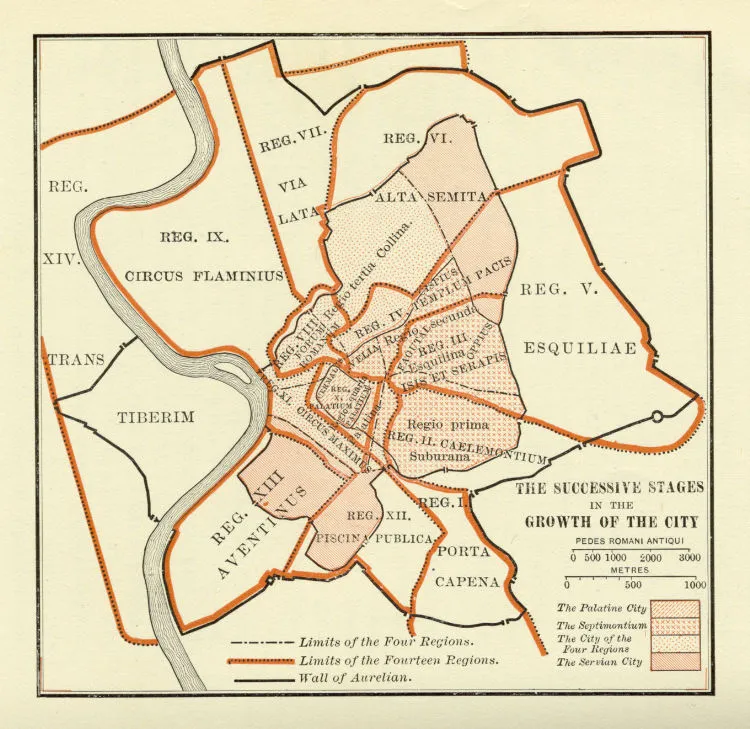
From ancient Rome's crumbling insulae to post-war American urban renewal disasters, every ruling power in history has reached for the same short list of housing fixes — price caps, public construction, zoning rules — and gotten roughly the same results. The real story isn't about policy failure. It's about why politicians keep solving a problem they have no incentive to actually solve.

Augustus Had a Birth Rate Problem. His Solution Was Terrifying — and It Almost Worked.

Augustus Had a Birth Rate Problem. His Solution Was Terrifying — and It Almost Worked.

When Rome's birth rate started declining, Augustus didn't launch an awareness campaign. He built a decades-long propaganda apparatus combining poetry, architecture, legal penalties, and public shame — and it reshaped behavior across an empire. Modern public health officials are still making the same mistakes he eventually learned to avoid.

The Empire That Stopped Looking: What Happens When Governments Make Poverty Invisible on Paper

The Empire That Stopped Looking: What Happens When Governments Make Poverty Invisible on Paper

Rome cooked its census numbers. The Song Dynasty's administrators got creative with peasant population counts. And in both cases, the governments that stopped accurately measuring their poor eventually stopped being able to help them — or control them. The history of census manipulation is really a history of how bad data destroys the institutions that produce it.

Ancient Athens Invented the Talent War—And Lost

Ancient Athens Invented the Talent War—And Lost

When your star general defects to Sparta with all your military secrets, you don't just get mad—you get legal. Athens pioneered the art of keeping top talent from jumping ship, creating enforcement mechanisms that make modern non-competes look amateur by comparison.

Silence or Die: How Rome Perfected the Art of Shutting People Up

Silence or Die: How Rome Perfected the Art of Shutting People Up

Thousands of years before corporate NDAs, Roman leaders developed brutal but effective methods to silence inconvenient voices. From exile to literally erasing people from history, their playbook reads like a modern whistleblower suppression manual.

Five Stars, No Benefits: How Rome's Gig Economy Killed the Middle Class

Five Stars, No Benefits: How Rome's Gig Economy Killed the Middle Class

Ancient Rome's collegium system created a massive underclass of contract workers and day laborers who looked economically active but had no stability or upward mobility. The structural parallels to today's app-based gig economy are unsettling, especially considering how that arrangement contributed to the Republic's eventual collapse.

The Constitution Is a Panic Room — and the Founders Built It That Way on Purpose

The Constitution Is a Panic Room — and the Founders Built It That Way on Purpose

Madison didn't invent checks and balances because he thought government was inherently good and just needed fine-tuning. He invented them because he'd read Thucydides and Polybius and knew exactly how republics die. The anxieties baked into American institutions aren't abstract — they're a direct response to specific historical disasters the Founders studied obsessively.